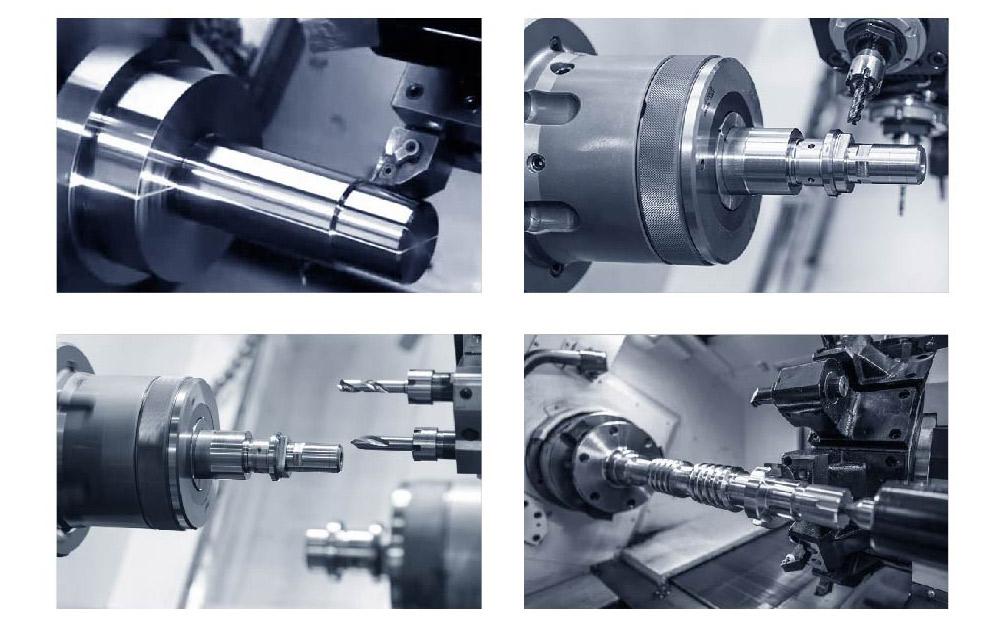
Topteam provides a variety of precision CNC machining services including milling, turning, EDM, wire EDM and surface grinding. With precision 3-, 4- and 5-axis CNC machining centers, combined with other advanced capabilities and our experienced team, we can handle all types of CNC machining parts in both metal and plastic materials. Whatever you need prototypes or production parts, our machining services will be your best choice.
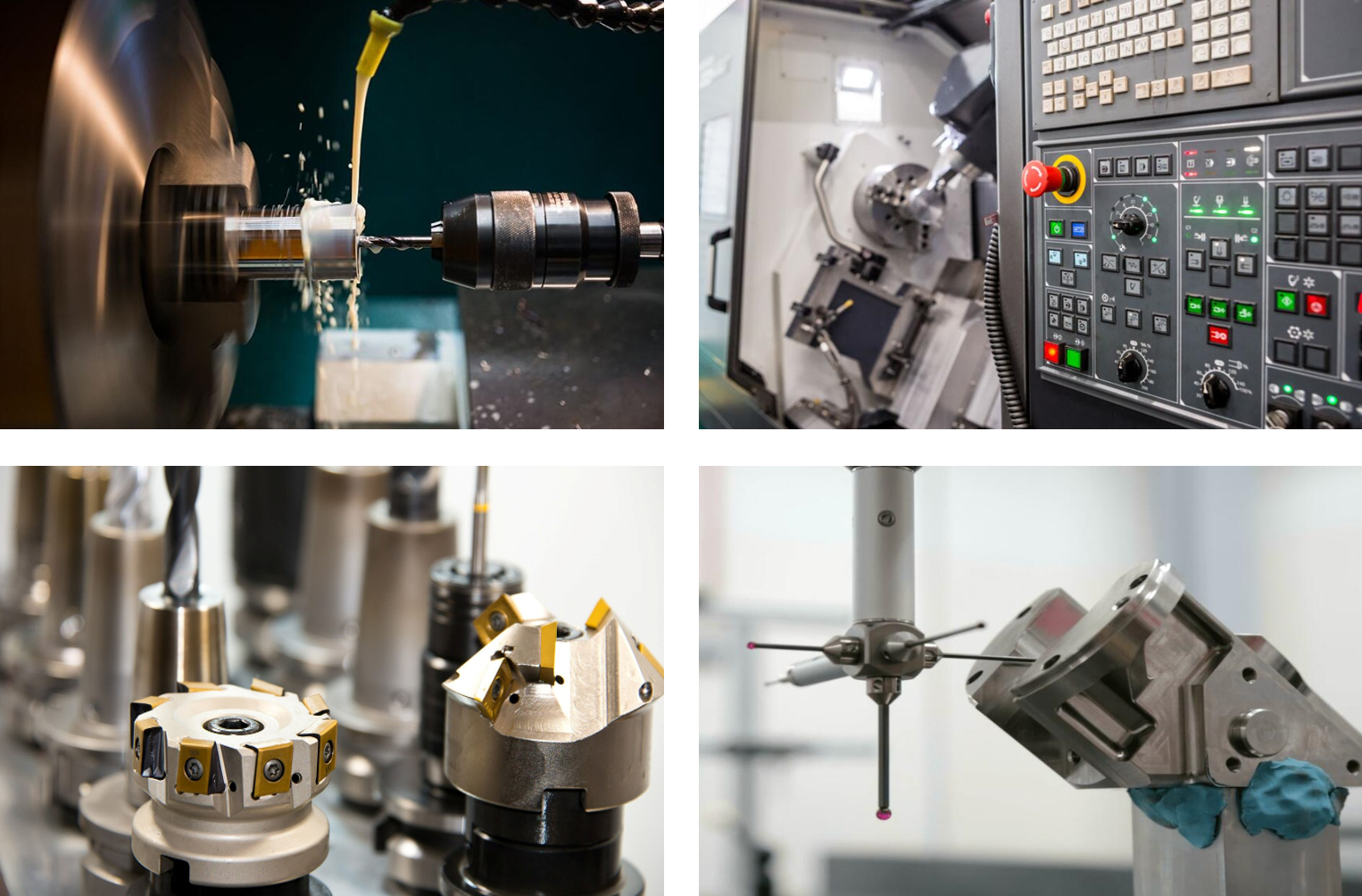
CNC Machining Materials & Finishes
If you are considering manufacturing your parts with CNC machining, it is important to know what kind of materials and finishes can be applied to your CNC machined parts. Topteam, located in China, is not just a CNC shop; we can also apply all types of finishes to CNC prototype parts and production parts thanks to our surface finishing partners. Need custom CNC parts with a high-quality appearance? Topteam is here to help.
CNC Materials
Plastic: ABS, PC, ABS+PC, PP, PS, POM, PMMA (Acrylic), PAGF30, PCGF30, Teflon, DHPE, HDPE, PPS, PEEK. Learn More about our Plastic Machining
Metal: Aluminum, Steel, Stainless Steel (17-4, Inconel 625 & 718), Magnesium, Titanium, Zinc, Brass, Bronze, Copper. These are the most common materials for CNC prototyping and production parts. Besides that, we can work with any type of machinable plastic and metal we can purchase from the stock market.
What’s more: We are able to create a custom plastic block or bar for the material such as PA GF50, PPS GF50.
CNC Finishes
As-Machined: The most popular and cost-efficient way for inner functional components. Fine and even tool path is also good for aspect parts.
Bead Blasted: The part is left with a matt appearance. Range of 120 to 320 beads allows us to create different roughness to the surface.
Anodized: Type II creates a corrosion-resistant finish. Parts can be anodized in different colors—clear, black, red, and blue are most common—and is usually associated with low silicone element series of aluminum. Type III is thicker and creates a wear-resistant layer in addition to the corrosion resistance seen with Type II.
Powder Coat: This is a process where powdered paint is sprayed onto a part which is then baked in an oven. This creates a strong, wear- and corrosion-resistant layer that is more durable than standard painting methods. A wide variety of colors are available to create the desired aesthetic.